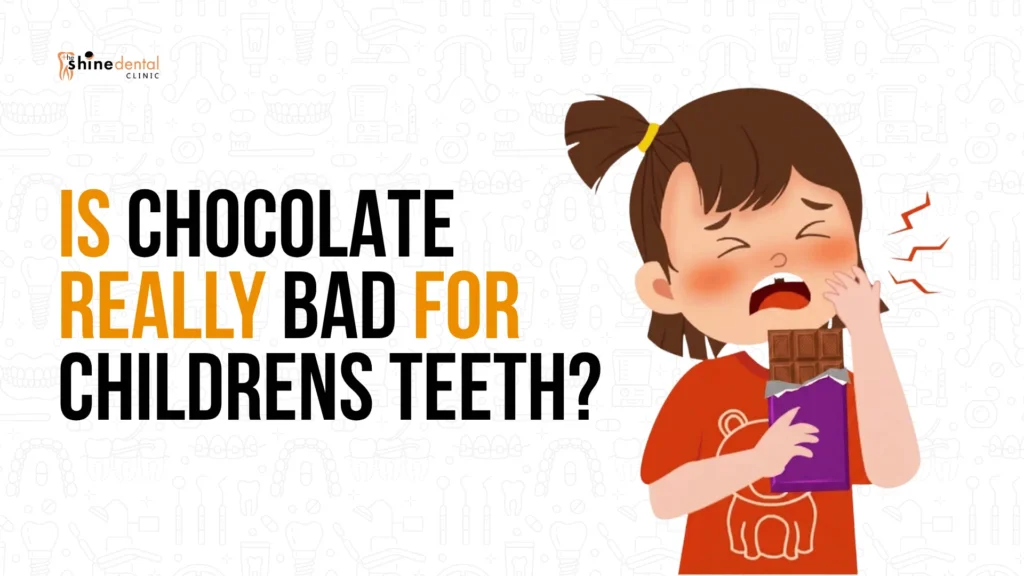
Quick answer: Less than most parents assume. Chocolate clears out of the mouth faster than sticky or gummy candy, and dark chocolate in particular contains compounds that may actually help limit oral bacteria. The real culprits behind most candy-related cavities are sticky, gummy, and sour sweets, along with frequent snacking throughout the day, not chocolate itself.
If you’ve ever felt a little guilty handing your child a chocolate bar, here’s some genuinely good news: dentists don’t actually rank chocolate among the worst offenders for kids’ teeth. That title tends to go to candy most parents consider “less bad,” like gummy fruit snacks and sticky caramels.
This matters more than it might seem. According to NIDCR, tooth decay is the most common chronic disease in American children, affecting nearly half of them, roughly five times more common than asthma. Understanding which sweets actually drive that risk, rather than treating all sugar as equally dangerous, is genuinely useful information for any parent managing a child’s diet.
Here’s what the research actually shows. If you find this kind of practical, evidence-based breakdown useful, our blog has more guides like it.
How Sugar Actually Causes Cavities
To understand why some sweets are worse than others, it helps to know what’s actually happening in your child’s mouth. According to the National Institute of Dental and Craniofacial Research, decay-causing bacteria feed on sugars and starches left on the teeth and produce acid as a byproduct. That acid is what wears away enamel and eventually creates a cavity.
This is worth sitting with for a second, because it reframes the whole question. It isn’t really the sugar itself doing the damage. It’s the acid the bacteria produce after feeding on it, and how long that process gets to keep going before the mouth clears it away.
Cleveland Clinic describes this same acid-production cycle as the reason frequent snacking tends to cause more cavities than the same amount of sugar eaten all at once.
Why Chocolate Is Different From Other Candy
This is where chocolate genuinely earns a break. According to MouthHealthy, the American Dental Association’s consumer education site, chocolate is far less sticky than gummy or chewy candy, which means it clears off the teeth faster and gives bacteria less time to work.
Gummy fruit snacks, in particular, often get treated as a healthier option because of the word “fruit” on the label. In reality, dentists frequently point out they behave more like candy in the mouth, clinging to teeth and grooves for far longer than a piece of chocolate would.
Is Dark Chocolate Actually Good for Teeth?
There’s genuine research behind this, though it’s worth being precise about what it actually shows. Cocoa contains compounds called polyphenols, along with a substance called theobromine, both of which have been studied for potential antibacterial properties in the mouth.
Some research suggests these compounds may help limit the growth of oral bacteria and reduce plaque formation. This doesn’t make dark chocolate a treatment for cavities, and it’s not a reason to swap out brushing for a chocolate bar. But it does mean dark chocolate, particularly varieties with a higher cocoa percentage, isn’t the villain it’s often made out to be.
What About Milk Chocolate and White Chocolate?
The benefits above are specific to cocoa content, and milk chocolate simply has much less of it, often only 10 to 20 percent, with the rest made up of milk solids and sugar. White chocolate contains essentially no cocoa solids at all, just cocoa butter, milk, and sugar, so it doesn’t carry the same potential benefits.
This doesn’t make milk or white chocolate dangerous. It just means the antibacterial angle applies mainly to dark chocolate, and milk chocolate should really just be thought of as a normal sugary treat, not a health food.
What’s Actually the Worst Candy for Kids’ Teeth?
If chocolate isn’t the main concern, what is? A few categories stand out consistently:
- Sticky and gummy candies, including gummy fruit snacks, caramels, and taffy, which cling to teeth far longer than chocolate
- Sour candies, which combine sugar with high acidity, directly attacking enamel in addition to feeding bacteria
- Hard candies, which dissolve slowly and bathe the teeth in sugar over an extended period, and also carry a choking risk in younger children
- Any candy eaten slowly throughout the day, since repeated small exposures give bacteria far more opportunities to produce acid than a single treat eaten at one sitting
Does Timing Matter More Than Amount?
Often, yes, and this is one of the most useful things to understand about sweets and cavities generally. A large chocolate bar eaten right after dinner is, in many respects, less risky than a much smaller amount of candy nibbled on throughout the afternoon.
That’s because saliva production increases during meals, helping wash away sugar and neutralize acid. Snacking steadily between meals doesn’t give the mouth that same recovery window, so the acid attack essentially never fully stops.
Practical Tips for Letting Kids Enjoy Chocolate Safely
None of this means chocolate is off the hook entirely. The American Academy of Pediatric Dentistry generally frames sugar management as being about frequency and habits rather than eliminating treats altogether, which lines up with a few simple, practical habits:
- Offer chocolate after a meal, rather than as a standalone snack between meals.
- Choose dark chocolate over milk chocolate when it’s a genuine option your child will actually eat.
- Skip the sticky mix-ins, since chocolate with caramel, nougat, or toffee behaves more like the stickier candies above.
- Rinse with water afterward if brushing isn’t immediately possible, to help clear residual sugar.
- Still brush as usual, since none of the above replaces regular brushing and fluoride toothpaste.
Frequently Asked Questions
Is chocolate actually bad for kids teeth?
Less than most parents assume. Chocolate clears out of the mouth faster than sticky or gummy candy, and dark chocolate in particular contains compounds that may actually help limit oral bacteria. Sticky, sour, and hard candies tend to pose a greater cavity risk.
Is dark chocolate good for teeth?
Some research suggests compounds in cocoa, including theobromine and polyphenols, may have antibacterial properties and help limit plaque. This does not make chocolate a treatment for cavities, but dark chocolate with a high cocoa content is generally considered one of the less harmful sweet options.
What actually causes cavities from sugar?
Cavities form when bacteria in the mouth feed on sugar and produce acid, which wears away tooth enamel. According to NIDCR, how long sugar stays on the teeth matters more than the total amount eaten, which is why frequent snacking is often worse than a single treat.
What is the worst candy for kids teeth?
Sticky and gummy candies tend to be the worst, since they cling to teeth and grooves for far longer than chocolate does. Sour candies are also a concern, since their high acidity can wear down enamel directly.
Does it matter when my child eats chocolate?
Yes. Chocolate eaten right after a meal is generally better than chocolate eaten as an all-day snack, since saliva production during meals helps wash away sugar and acid, while frequent small exposures throughout the day give bacteria more opportunities to produce acid.
The Bottom Line
Chocolate has an unfair reputation. The real risk to your child’s teeth comes down to stickiness, acidity, and how often sugar sits on the teeth, not any single food being universally “bad.” A chocolate bar after dinner is a perfectly reasonable treat. Constant grazing on gummy snacks throughout the day is the pattern actually worth rethinking.
This is the first article in a new series we’re building on candy, sweets, and kids’ teeth, including which festival treats deserve extra attention and whether sugar-free alternatives actually help. For the broader picture on why any of this matters long term, see our guide on how poor oral health can affect your child’s overall health
Want personalized guidance on your child’s diet and cavity risk? The team at The Shine Dental Clinic offers gentle, child-focused check-ups in a calm environment built for little ones. Book an appointment on WhatsApp and we’ll help you build a plan that actually works for your family.