
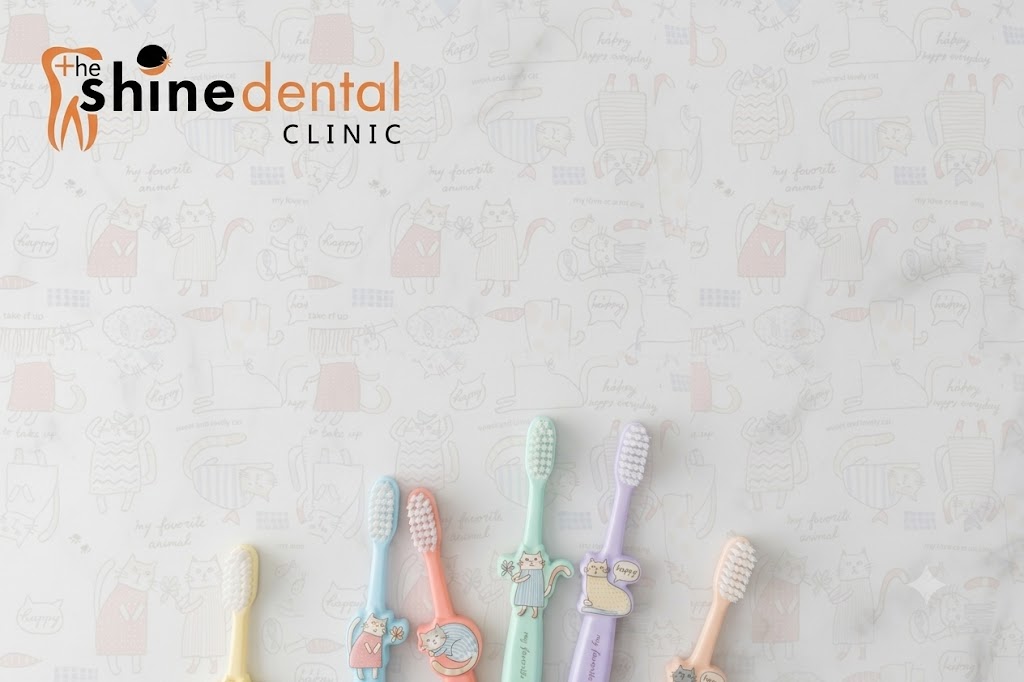
Building Healthy Habits from the Start
Choosing the right Baby toothbrush for your baby is an important part of maintaining their oral health from the very beginning. A baby’s mouth is delicate, and using the wrong type of toothbrush can cause discomfort or fail to clean properly.
Unlike adult toothbrushes, baby toothbrushes are specially designed with soft bristles, small heads, and safe materials to suit different stages of development. Selecting the right toothbrush not only helps keep your baby’s mouth clean but also builds positive brushing habits early in life.
This guide will help you understand which toothbrush is best for your baby at every stage and what features to look for to ensure safe and effective oral care. For personalized guidance, our team at The Shine Dental Clinic is always here to help.
Why Choosing the Right Baby Toothbrush Matters
A baby’s gums and teeth are far more delicate than those of adults, which makes selecting the right toothbrush extremely important. Using a brush that is too hard, too large, or not designed for infants can cause discomfort, irritation, or even damage to sensitive gum tissue. A properly designed baby toothbrush ensures gentle yet effective cleaning, helping maintain good oral hygiene from the very beginning.
Choosing the right toothbrush also plays a key role in making brushing a positive experience. When brushing feels comfortable, babies are less likely to resist, allowing parents to build a consistent routine. Over time, this helps children develop healthy habits that continue into later childhood.
The right baby toothbrush helps:
- Remove bacteria and food particles effectively
- Protect sensitive gums and developing teeth
- Prevent early childhood cavities
- Ensure gentle and safe cleaning
- Make brushing a comfortable and positive experience
Introducing the correct toothbrush early encourages acceptance of daily oral care and supports long-term dental health. Our Infant and Early Childhood Oral Health Care services at The Shine Dental Clinic are designed with exactly these goals in mind.
Types of Baby Toothbrushes
1. Finger Toothbrush (0–6 Months)
A finger toothbrush is a soft, flexible silicone brush worn on a parent’s finger, designed specifically for early oral care. It is ideal for newborns and babies who have not yet developed teeth, as it allows gentle cleaning of delicate gums without causing discomfort. It is best for newborns and babies without teeth.
Benefits:
- Provides gentle cleaning of gums
- Offers better control for parents
- Safe, soft, and comfortable to use
This type of baby toothbrush is perfect for introducing oral hygiene habits early and preparing babies for future brushing routines. You may also want to read our guide on how to clean baby’s teeth properly for a full step-by-step breakdown of what to do before and after the first tooth appears.
2. Silicone Training Toothbrush (6–12 Months)
Silicone training toothbrushes are designed to support babies during the teething stage while gently introducing the concept of brushing. Made from soft, chew-safe materials, they are safe for babies to hold and explore in their mouths. These brushes often double as teething tools, helping relieve discomfort caused by erupting It is best for teething babies and early brushing habits
Benefits:
- Soothes sore and sensitive gums
- Helps babies get used to brushing
- Made from soft, flexible, and chew-safe material
This type of toothbrush makes oral care more engaging and comfortable, helping babies transition smoothly into regular brushing routines.
Check out When Baby teeth start coming in gives a parents a complete teething timeline so you know exactly what to expect and when. For expert teething support and pain management, The Shine Dental team in Sanepa, Lalitpur is always ready to help.
3. Soft-Bristle Infant Toothbrush (6–24 Months)
Once your baby’s first teeth begin to appear, switching to a soft-bristle infant toothbrush is essential for effective cleaning. These toothbrushes are specially designed to clean tiny teeth gently while protecting sensitive gums. Their small brush head allows easy access to all areas of the mouth, making daily brushing more efficient. It is best for cleaning emerging teeth and daily brushing routine
Benefits:
- Extra-soft bristles for gentle cleaning
- Small brush head for better reach
- Comfortable, easy-grip handle for parents
This stage is important for building proper brushing habits and ensuring healthy development of baby teeth.
4. Toddler Toothbrush (2–3 Years)
As children grow, they begin showing interest in brushing their teeth independently. Toddler toothbrushes are designed to support this stage by combining safety, comfort, and ease of use. Their child-friendly design helps make brushing more engaging while still ensuring gentle cleaning for developing teeth and gums.It is best for toddlers learning to brush and developing independence
Benefits:
- Easy-grip handles for small hands
- Soft bristles for gentle cleaning
- Fun colors and designs to encourage use
Even at this stage, parents should continue supervising brushing to ensure proper technique and effective cleaning habits.
Key Features to Look for in the Best Baby Toothbrush
Choosing the right baby toothbrush is essential for ensuring safe, effective, and comfortable oral care. Since babies have delicate gums and developing teeth, the toothbrush must be specifically designed for their needs. Considering the right features not only protects your child’s mouth but also helps build a positive brushing experience from an early age.
1. Extra-Soft Bristles
Always choose ultra-soft bristles that gently clean teeth and gums without causing irritation or discomfort.
2. Small Brush Head
A compact brush head allows easy access inside a baby’s small mouth, ensuring thorough and safe cleaning.
3. BPA-Free and Non-Toxic Materials
Safety is crucial. Select toothbrushes made from BPA-free and non-toxic materials to avoid any harmful exposure.
4. Easy-to-Hold Handle
A non-slip, ergonomic handle provides better grip and control for parents during brushing, reducing the risk of slipping.
5. Age-Appropriate Design
Different developmental stages require different toothbrush types. Always choose a toothbrush suited to your baby’s age for maximum comfort and effectiveness.
When it comes to toothpaste, many parents wonder which products are safe for their little ones. Our blog on whether fluoride toothpaste is safe for children answers this question in detail, helping you pair the right toothbrush with the right toothpaste from day one.
Manual vs Electric Toothbrush for Babies
| Manual Toothbrush | Electric Toothbrush |
| Most recommended for babies | Suitable for older toddlers |
| Easy to control | Can improve cleaning efficiency |
| Gentle on gums | Should have soft vibrations |
For infants, manual toothbrushes are the safest and most practical choice, as they allow better control, gentle cleaning, and reduce the risk of irritation to sensitive gums and developing teeth.
How Often Should You Replace a Baby Toothbrush?
To maintain proper hygiene and ensure effective cleaning, your baby’s toothbrush should be replaced regularly. It is recommended to change the toothbrush every three months, or sooner if the bristles become worn, frayed, or damaged. Additionally, replacing the toothbrush after your baby has been sick is important to prevent the spread of bacteria. Over time, worn-out bristles lose their ability to clean properly and may become harsh on sensitive gums. Using a fresh toothbrush helps maintain gentle, effective cleaning while protecting your baby’s oral health and supporting a consistent and safe brushing routine.
Common Mistakes Parents Should Avoid
- Using adult toothbrushes for babies
- Choosing hard or medium bristles
- Using too large a brush head
- Not replacing toothbrush regularly
- Letting babies chew instead of brushing
Tips to Make Brushing Easier for Babies
Brushing can sometimes be challenging, but small changes can make it easier:
- Start early to build familiarity
- Make brushing a fun activity (songs, games)
- Use colorful or child-friendly toothbrushes
- Be gentle and patient
- Maintain a consistent routine
Creating a positive experience encourages children to accept brushing as a daily habit.
When to Start Using a Toothbrush
Oral care should begin right from birth with gentle gum cleaning, even before teeth appear. A baby toothbrush should be introduced as soon as the first tooth erupts, which is usually around 6 months of age. Starting at the right time helps remove plaque effectively, prevents early tooth decay, and supports healthy oral development.
Some babies, however, don’t follow the typical timeline. If your little one seems behind, read our article on delayed teething – when parents should worry to understand what’s normal and when to seek professional advice.
Frequently Asked Questions (FAQs)
1. When should I start brushing my baby’s teeth?
You should start oral care from birth by gently wiping your baby’s gums with a clean, damp cloth. As soon as the first tooth appears, usually around 6 months, introduce a soft-bristle infant toothbrush. Starting early helps prevent plaque buildup and builds a healthy brushing routine from day one.
2. What type of toothbrush is best for a newborn?
For newborns and babies without teeth, a finger toothbrush is the best choice. It slips over your fingertip, giving you full control while gently cleaning your baby’s delicate gums. It is soft, safe, and comfortable, making it ideal for the earliest stage of oral care.
3. How do I choose the right toothbrush for my baby’s age?
Each stage of development requires a different toothbrush. A finger toothbrush works best from 0 to 6 months, a silicone training toothbrush suits teething babies from 6 to 12 months, a soft-bristle infant toothbrush is ideal from 6 to 24 months, and a toddler toothbrush with an easy-grip handle is recommended from 2 to 3 years onward.
4. Are electric toothbrushes safe for babies?
Electric toothbrushes are generally not recommended for infants. Manual toothbrushes give parents better control and are gentler on delicate gums and emerging teeth. Electric toothbrushes with soft vibrations may be considered for older toddlers, but it is best to consult your pediatric dentist before making the switch.
5. How often should I replace my baby’s toothbrush?
Replace your baby’s toothbrush every three months, or sooner if the bristles appear frayed, worn, or splayed. You should also replace it after your baby has been sick to prevent bacteria from lingering on the brush. A fresh toothbrush ensures effective, hygienic cleaning every time.
Key Takeaways for Parents
Choosing the best toothbrush for your baby is essential for maintaining oral health at every stage of development. From gentle finger brushes for newborns to soft-bristle toothbrushes for toddlers, each stage requires the right approach and tools.
With the correct toothbrush, proper technique, and a consistent routine, parents can protect their baby’s teeth and build strong oral hygiene habits from the start. Give your child the best foundation for a healthy smile with expert care and guidance at The Shine Dental Clinic .. Book your child’s first dental visit today.