
Separating Facts from Myths
As a parent, you want to give your baby the healthiest possible start in life. Breastfeeding is widely recognized as the best source of nutrition for infants, providing essential nutrients, antibodies, and emotional bonding. However, many parents wonder: Can breastfeeding cause cavities in babies?
The short answer is no, not by itself.
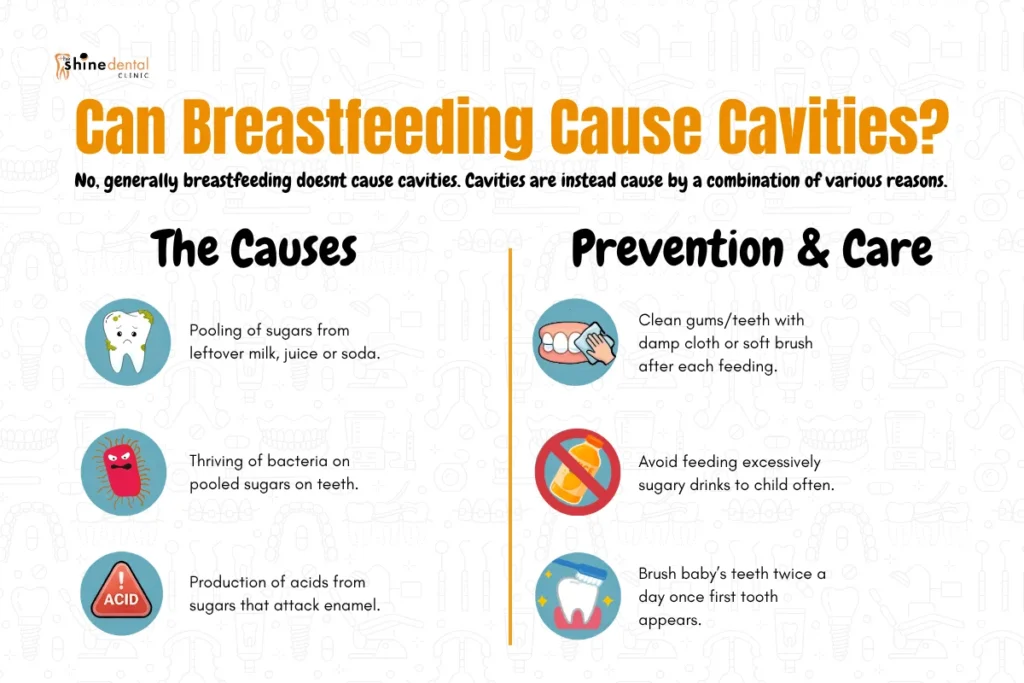
Breastfeeding alone does not directly cause cavities. Tooth decay, also known as early childhood caries, develops when several factors come together, including bacteria in the mouth, frequent exposure to sugars, and inadequate oral hygiene. Understanding these factors can help parents make informed decisions while continuing to enjoy the many benefits of breastfeeding.
For families in Nepal, where awareness of infant oral health is still growing, establishing good dental habits early with guidance from a trusted pediatric dental team can help children enjoy healthy smiles for years to come.
Understanding the Relationship Between Breastfeeding and Baby Tooth Decay
Baby teeth begin developing long before they become visible. Once the first tooth appears, usually around six months of age, it can become vulnerable to decay if proper oral care is not practiced.
Breast milk contains natural sugars (lactose), but research shows that breastfeeding itself is not considered a major cause of tooth decay in healthy infants. Cavities usually develop when cavity-causing bacteria feed on sugars that remain on the teeth over time, producing acids that weaken the enamel.
The risk of tooth decay may increase when breastfeeding is combined with other contributing factors, such as:
- Poor oral hygiene
- Frequent nighttime feeding after teeth have erupted without cleaning the teeth afterward
- Frequent consumption of sugary foods or drinks as complementary feeding begins
- Transfer of cavity-causing bacteria from caregivers
The important message for parents is that breastfeeding remains highly beneficial and should not be stopped out of fear of cavities. Instead, focus on building healthy oral care habits from an early age.
Why Breastfeeding Continues to Be the Best Choice
Breastfeeding offers numerous health benefits that extend far beyond nutrition. It helps strengthen a baby’s immune system, supports healthy growth and development, and promotes bonding between mother and child.
According to the World Health Organization, exclusive breastfeeding is recommended during the first six months of life, followed by continued breastfeeding alongside complementary foods as appropriate. Parents should feel confident that breastfeeding supports their baby’s overall health while also paying attention to oral hygiene as teeth begin to emerge.
What Actually Causes Cavities in Babies?
Understanding what leads to cavities allows parents to take simple preventive steps.
1. Bacteria in the Mouth
Cavities develop when bacteria naturally present in the mouth feed on sugars and produce acids that damage tooth enamel.
These bacteria can also be passed from caregivers to babies through activities such as:
- Sharing spoons
- Cleaning pacifiers with the mouth
- Sharing cups or utensils
Reducing these habits may help lower the baby’s risk of early tooth decay.
2. Frequent Sugar Exposure
As babies begin eating solid foods, sugary snacks, sweetened drinks, and prolonged exposure to carbohydrates can increase cavity risk. Even natural sugars require good oral hygiene to prevent plaque buildup.
3. Poor Oral Hygiene
One of the biggest risk factors is delaying oral care. Many parents wait until several teeth appear before brushing, but oral hygiene should begin much earlier.
Signs Your Baby May Be Developing Cavities
Early detection is important because cavities can progress quickly in young children.
Watch for:
- White chalky spots near the gum line
- Brown or black discoloration on teeth
- Small holes or pits
- Tooth sensitivity
- Pain while eating
- Difficulty chewing
- Swollen gums around affected teeth
If you notice any of these signs, schedule a dental examination promptly.
How to Prevent Cavities in Breastfed Babies
Fortunately, preventing cavities is often simple and begins with daily habits.
Start Oral Care Early
Even before the first tooth appears, gently wipe your baby’s gums with a clean, soft, damp cloth after feedings.
Once the first tooth erupts, begin brushing twice a day using a soft infant toothbrush and a tiny smear of fluoride toothpaste, following your dentist’s recommendations.
Practice Good Nighttime Oral Hygiene
Nighttime feedings are a normal part of infancy, especially during the first year. As babies grow and more teeth erupt, try to gently clean their teeth after the last feeding whenever practical.
The goal is not to discourage breastfeeding but to reduce the amount of milk that remains on the teeth overnight.
Choose Healthy Complementary Foods
When introducing solids around six months, offer nutritious foods such as vegetables, fruits, whole grains, and proteins while limiting sugary snacks and sweetened beverages.
Healthy eating habits benefit both oral health and overall development.
Schedule an Early Dental Visit
Parents are often surprised to learn that children should have their first dental visit by their first birthday or within six months after the first tooth appears.
Early dental visits help:
- Identify problems before they become serious
- Provide parents with personalized guidance
- Build positive experiences with dental care
- Establish healthy lifelong habits
Common Myths About Breastfeeding and Cavities
Myth: Breastfeeding Always Causes Cavities
Fact: Breastfeeding alone is not the cause of cavities. Tooth decay develops through multiple factors, including bacteria, diet, and oral hygiene.
Myth: Baby Teeth Are Not Important
Fact: Baby teeth play a vital role in chewing, speech development, facial growth, and guiding permanent teeth into their correct positions.
Healthy baby teeth contribute to healthy permanent teeth later in life.
Myth: Babies Don’t Need Dental Care
Fact: Oral care begins even before the first tooth appears. Early prevention is much easier than treating cavities later.
Tips for Parents in Nepal
Parents across Nepal are becoming increasingly aware of the importance of preventive healthcare, and oral health should be part of that conversation.
Whether you live in Kathmandu, Pokhara, Chitwan, or a rural community, these simple habits can make a significant difference:
- Begin cleaning your baby’s mouth from infancy.
- Brush twice daily once teeth appear.
- Avoid putting babies to bed with bottles containing sugary drinks.
- Limit sugary snacks as children grow.
- Visit a dentist early for preventive advice.
- Encourage healthy eating habits throughout childhood.
For expat families living in Kathmandu valley, discussing your baby’s oral health with The Shine Dental Clinic dentist can also help you understand available preventive services and fluoride recommendations.
Frequently Asked Questions
Can breastfeeding cause cavities in babies?
No. Breastfeeding alone does not directly cause cavities. Tooth decay usually results from a combination of bacteria, prolonged sugar exposure, and inadequate oral hygiene.
When should I start brushing my baby’s teeth?
Start brushing as soon as the first tooth appears using a soft baby toothbrush and a small amount of fluoride toothpaste appropriate for your child’s age.
How can I prevent cavities in my breastfed baby?
Clean your baby’s gums before teeth erupt, brush twice daily once teeth appear, maintain good feeding habits, limit sugary foods, and schedule an early dental visit.
Do babies need a dental visit before age one?
Yes. An early dental visit helps identify potential problems and provides parents with guidance on keeping baby teeth healthy.
Why are baby teeth important if they eventually fall out?
Baby teeth support eating, speaking, facial development, and proper alignment of permanent teeth. Protecting them is an investment in your child’s future oral health.
Healthy Smiles Begin Early
Breastfeeding provides outstanding health benefits and should not be viewed as the enemy of healthy teeth. Rather than worrying that breastfeeding alone causes cavities, parents should focus on the factors they can control: good oral hygiene, healthy feeding habits, regular dental checkups, and early prevention.
For families in Nepal, increasing awareness of infant oral health is an important step toward reducing early childhood cavities. By combining the benefits of breastfeeding with simple daily dental care, parents can help ensure their children grow up with healthy, confident smiles.
Ready to Protect Your Baby’s Smile?
You don’t have to navigate breastfeeding and oral care alone. Come meet The Shine Dental Clinic, our friendly pediatric team is ready to answer your questions and give your baby a lifetime of healthy smiles.