
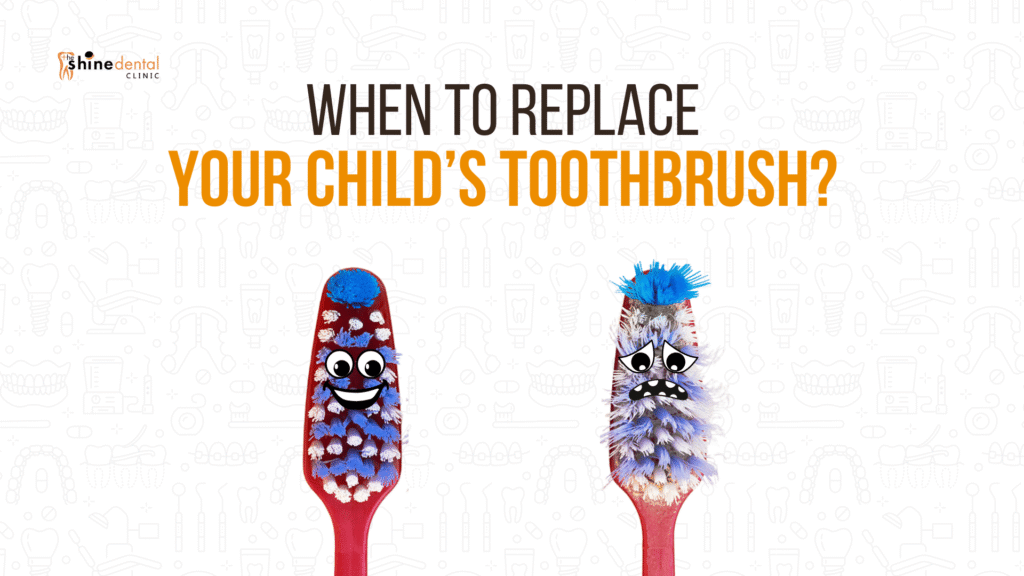
Why Toothbrush Replacement Matters for Every Family
A toothbrush is one of the simplest tools for protecting your family’s oral health, but many parents forget that toothbrushes do not last forever. Whether you are an expat parent living in Nepal, a new parent caring for a newborn, or a parent helping children develop healthy habits, knowing when to replace a toothbrush is an important part of daily dental care.
Many families replace toothbrushes only when the bristles become severely damaged. However, a toothbrush can lose its effectiveness long before it looks completely worn out. A damaged toothbrush may not clean teeth properly, remove plaque efficiently, or support healthy brushing habits.
For parents in Nepal, where family routines, climate conditions, and access to dental services can vary, creating a simple toothbrush replacement routine can help protect children’s smiles from an early age.
How Often Should You Replace a Toothbrush?
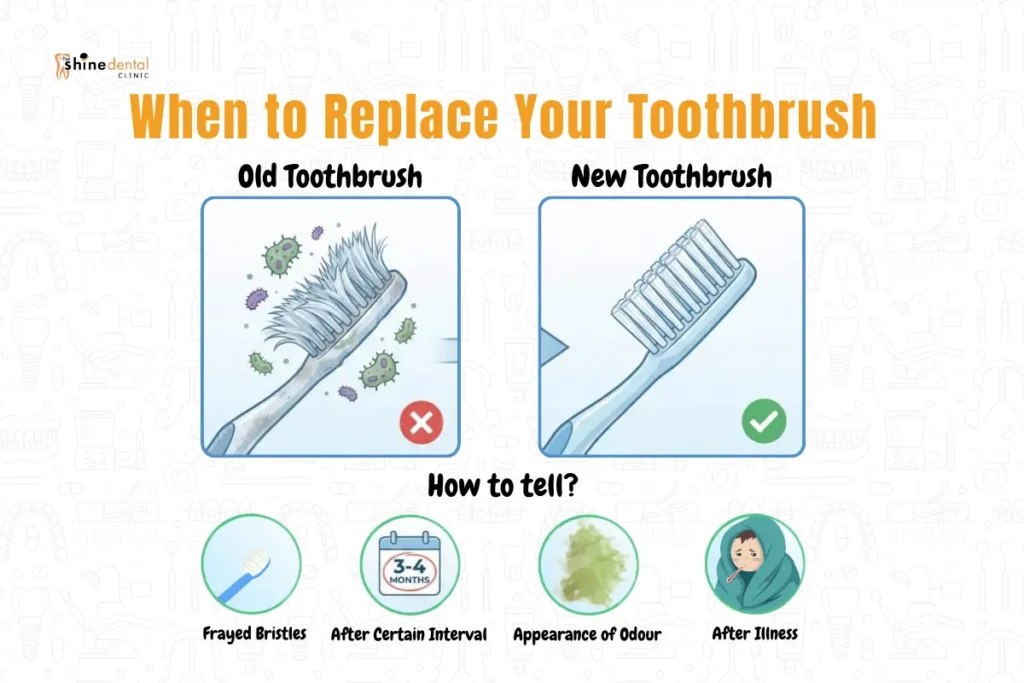
Most dental professionals recommend replacing a toothbrush approximately every three months. The American Dental Association gives a similar window, suggesting a new brush every three to four months or sooner once the bristles fray. This timeline can change depending on how often the toothbrush is used and the condition of the bristles.
Parents should consider replacing toothbrushes sooner if:
- The bristles become bent or spread out
- The toothbrush has visible damage
- The toothbrush was used during or after an illness
- A child chews on the toothbrush
- The toothbrush is not cleaning effectively
Children often need toothbrush replacements more frequently because they may brush with more force, bite the bristles, or use the toothbrush as a toy.
A simple habit for parents is to check toothbrushes every month and replace them before they become ineffective.
Signs It Is Time to Replace Your Toothbrush
1. The Bristles Are Frayed or Bent
The easiest way to know that a toothbrush needs replacing is by checking the bristles.
A new toothbrush has straight, firm bristles designed to clean teeth and gums effectively. Over time, brushing pressure causes bristles to bend, spread apart, and lose their original shape.
For children, this happens more often because they may press harder while brushing or move the toothbrush roughly.
If the bristles no longer stand upright, it is time for a new toothbrush.
2. The Toothbrush Looks Dirty or Has Build-Up
A toothbrush should be rinsed thoroughly after every use and stored in a clean, dry place.
If you notice:
- Visible residue
- Unusual discoloration
- A damaged toothbrush head
- A smell that does not disappear after rinsing
it may be time to replace it.
A clean toothbrush helps children develop better hygiene habits and makes brushing more comfortable.
3. After Your Child Has Been Sick
Many parents ask, “Should I replace my child’s toothbrush after illness?”
Replacing a toothbrush after a significant illness can be a useful hygiene practice, especially if the toothbrush has been used frequently during that period.
This is particularly important for children because they are still developing immune defenses and daily hygiene routines.
4. The Toothbrush Has Been Chewed or Damaged
Young children often chew on toothbrushes while learning how to brush.
A toothbrush with:
- Damaged bristles
- Cracked plastic
- A broken handle
- Bite marks
should be replaced because it may no longer clean effectively and could be uncomfortable or unsafe to use.
When Should Parents Replace a Baby’s Toothbrush?
Oral care begins before children have a full set of teeth. Parents can start cleaning a baby’s gums with appropriate methods recommended by dental professionals, and organizations like the American Academy of Pediatric Dentistry advise starting gum care from birth, even before the first tooth appears.
When babies begin using a toothbrush, parents should choose one designed specifically for their age, such as the options covered in our baby toothbrush guide.
A baby toothbrush should have:
- Very soft bristles
- A small brush head
- A comfortable handle
- Safe materials suitable for children
Because babies often chew toothbrushes while exploring, their toothbrushes may wear out faster than adult toothbrushes.
Parents should regularly inspect the brush and replace it when signs of damage appear.
How Often Should You Change a Child’s Toothbrush in Nepal?
The general recommendation is every three months, but Nepalese families may need to consider additional factors.
Children’s toothbrushes may need replacement earlier because of:
- Strong brushing habits
- Chewing on bristles
- Frequent use
- Improper storage
- Humid conditions affecting drying
A practical approach for parents is to replace toothbrushes at the beginning of each season or set reminders on a phone calendar.
For busy parents, creating a family toothbrush replacement schedule can make oral care easier to manage.
Why Replacing Toothbrushes Helps Protect Children’s Teeth
A fresh toothbrush supports better oral hygiene in several ways.
- Better Plaque Removal: New bristles are more effective at reaching areas where food particles and plaque collect. For children who are still learning proper brushing techniques, having a functional toothbrush makes the process easier.
- Supports Healthy Gums: Old, damaged bristles may become uncomfortable and can make brushing less enjoyable. A comfortable toothbrush encourages children to brush regularly.
- Builds Lifelong Healthy Habits: Children learn routines by repetition. Pairing a fresh toothbrush with a consistent daily brushing routine helps children understand that oral health requires ongoing care.
How to Choose the Right Toothbrush for Babies and Children
Choosing the correct toothbrush is important for creating positive brushing experiences.
- Choose Soft Bristles: Children’s gums and teeth require gentle cleaning. Soft bristles are usually more comfortable and help prevent unnecessary irritation. If you are unsure which bristle type suits your child, our guide on soft vs. hard bristle toothbrushes breaks down the differences.
- Select the Correct Size: A child’s toothbrush should match their age and mouth size. A smaller brush head allows children to reach different areas of their mouth more easily.
- Make Brushing Enjoyable: Parents can encourage better brushing habits by allowing children to choose toothbrush designs they enjoy while ensuring the brush is suitable for their age.
Making brushing a positive family activity can help children maintain the habit as they grow.
Proper Toothbrush Care Tips for Families
Replacing your toothbrush regularly is important, but proper care between replacements also matters.
Parents should teach children to:
- Rinse the toothbrush after every use
- Store it upright when possible
- Allow it to dry naturally
- Avoid covering it while it is wet
- Avoid sharing toothbrushes with siblings or family members
- Keep toothbrushes separate to prevent confusion
Good toothbrush care helps maintain better hygiene at home.
Common Toothbrush Replacement Mistakes Parents Make
- Waiting Until the Toothbrush Looks Completely Worn Out: Many parents wait until the bristles are extremely damaged. However, a toothbrush may already be less effective before severe wear appears.
- Using One Toothbrush for Too Long: Keeping a toothbrush for many months can reduce cleaning performance.
- Forgetting Children’s Toothbrush . Creating a regular replacement routine for the whole family can solve this problem.
- Allowing Children to Share Toothbrushes: Each family member should have their own toothbrush to maintain good hygiene.
How Regular Toothbrush Replacement Supports Dental Products and Services
Parents who prioritize toothbrush replacement are also more likely to maintain other important oral health habits.
These include:
- Scheduling regular dental checkups
- Choosing age-appropriate oral care products, including toothpaste, see our note on whether fluoride toothpaste is safe
- Learning proper brushing techniques
- Seeking professional dental advice when needed
For dental clinics, oral care brands, and family health businesses, educating parents about toothbrush replacement creates an opportunity to build trust and provide helpful solutions.
Frequently Asked Questions About Toothbrush Replacement
How often should I replace my toothbrush?
Most people should replace their toothbrush about every three months or sooner if the bristles become damaged.
When should I replace my baby’s toothbrush?
A baby’s toothbrush should be replaced when the bristles become worn, damaged, or after regular use for several months.
Can children use the same toothbrush for more than three months?
It is better to replace children’s toothbrushes regularly because children often damage bristles faster than adults.
Should I replace my toothbrush after being sick?
Replacing a toothbrush after illness can be a useful hygiene step, especially if the toothbrush has been heavily used during that time.
What type of toothbrush is best for children?
Children generally benefit from toothbrushes with soft bristles, small heads, and handles that are easy for them to hold.
How can I remind myself to replace toothbrushes?
Parents can use phone reminders, calendar alerts, or replace toothbrushes at regular family milestones.
For more answers to common questions, visit our FAQ page.
Conclusion: Healthy Smiles Start With Simple Habits
Replacing a toothbrush regularly is a small action that can make a meaningful difference in your family’s oral health.
For parents in Nepal, especially those caring for babies and young children, developing a toothbrush replacement routine helps children learn important hygiene habits from an early age.
A clean, effective toothbrush combined with proper brushing techniques, healthy routines, and regular dental care can support stronger smiles for the entire family.
Start by checking your family’s toothbrushes today. If the bristles are worn, damaged, or older than a few months, it may be time for a replacement and if it’s also time for a check-up, you can book an appointment with Shine Dental or reach out to our team with any questions.