

For many parents, booking a child’s first dental appointment comes with a mix of excitement and uncertainty. You may be wondering, When should my child first see a dentist? What will happen during the visit? Will they be scared?
These are common questions, especially for first-time parents, expat families new to healthcare in Nepal, or anyone unfamiliar with early childhood dental care. The good news is that a child’s first dental visit is designed to be gentle, educational, and positive. It’s less about treatment and more about helping your child become comfortable with the dentist while giving parents the knowledge they need to support healthy oral development.
Starting dental care early can help prevent cavities, identify potential concerns before they become serious, and build healthy habits that last a lifetime.
When Should Your Child Have Their First Dental Visit?
One of the most common questions parents ask is:
“When should my child first visit the dentist?”
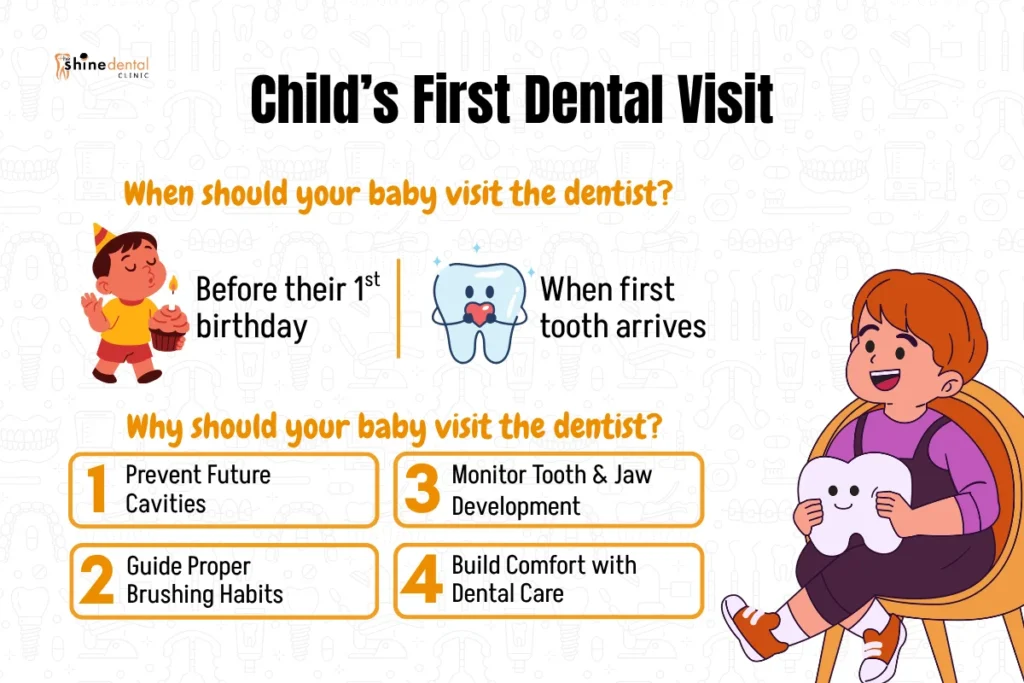
Dental professionals recommend scheduling your child’s first dental appointment when their first tooth appears or by their first birthday, whichever comes first.
While this may seem early, baby teeth play a vital role in your child’s overall development. They help children chew properly, learn to speak clearly, and guide permanent teeth into their correct positions.
Waiting until your child has tooth pain or visible cavities can make the first visit more stressful. Early check-ups focus on prevention rather than treatment, making them a positive experience for both children and parents.
What Happens During Your Child’s First Dental Appointment?
Parents are often pleasantly surprised to learn that the first dental visit is typically relaxed, friendly, and focused on helping children feel safe. Every child is unique, so the appointment is adapted to their age, developmental stage, and comfort level.
1. A Warm Welcome
Walking into a dental clinic for the first time can be exciting for some children and overwhelming for others. The dental team understands this and will usually spend the first few minutes helping your child feel comfortable in their new surroundings.
Depending on your child’s age, they may sit independently in the dental chair or remain comfortably on your lap throughout the examination. Many pediatric dentists use a gentle “tell-show-do” approach. They first explain what they are going to do using simple, child-friendly language, then show the instruments in a fun, non-threatening way before gently carrying out the examination. This approach helps reduce anxiety and builds trust.
2. A Gentle Oral Examination
Once your child feels comfortable, the dentist will perform a gentle examination of their mouth. This assessment is quick, painless, and designed to ensure everything is developing as expected.
During the examination, the dentist will carefully evaluate:
Your child’s teeth for signs of early tooth decay or enamel changes. Even very young children can develop cavities, particularly if sugary drinks, frequent snacking, or prolonged bottle feeding are part of their routine. Detecting small problems early often means simpler, less invasive treatment.
The health of the gums and surrounding oral tissues. Healthy gums are essential for supporting developing teeth. The dentist will look for any signs of inflammation, irritation, or other conditions that may require attention while ensuring your child’s mouth is developing normally.
Jaw growth, bite, and tooth eruption patterns. Every child develops at their own pace, but the dentist will monitor whether teeth are emerging in the expected sequence and assess how the jaws are growing. Early observation allows any developmental concerns to be identified and monitored over time.
The examination usually takes only a few minutes but provides valuable information about your child’s overall oral health.
3. Preventive Dental Care
The first dental visit isn’t just about looking for problems. It’s about preventing them before they start. According to the World Health Organization, most oral health conditions, including tooth decay, are largely preventable when caught early. Depending on your child’s age, the number of teeth they have, and how comfortable they feel, the dentist may recommend simple preventive treatments.
These may include:
A gentle cleaning to remove plaque and food debris. Even young children can develop plaque buildup on their teeth. A gentle cleaning helps remove these deposits while allowing parents to see what healthy teeth should look like.
A fluoride application when appropriate. Fluoride helps strengthen tooth enamel and makes teeth more resistant to cavities. If recommended, the dentist will explain why fluoride is beneficial and answer any questions parents may have about its safety and use.
Personalised advice based on your child’s individual risk factors. Every child has different oral health needs. Factors such as feeding habits, diet, brushing routines, and family history all influence the dentist’s recommendations for keeping your child’s smile healthy.
Preventive care is one of the greatest advantages of starting dental visits early. Rather than treating cavities after they develop, the focus is on helping families avoid them altogether.
4. Guidance and Education for Parents
One of the most valuable parts of the appointment is the conversation between parents and the dentist. First-time parents often have many questions, and the first dental visit provides the perfect opportunity to receive reliable, personalised advice.
Your dentist may discuss topics such as:
How to brush your child’s teeth correctly. Parents will learn how much toothpaste to use, which type of toothbrush is appropriate for their child’s age, and simple techniques to make brushing easier and more effective. Good brushing habits established early often continue into adulthood.
Healthy eating habits that protect developing teeth. The dentist may explain how frequent sugary snacks and drinks contribute to tooth decay and suggest healthier alternatives that support both oral health and overall nutrition. Small dietary changes can make a significant difference in reducing cavity risk.
Thumb sucking, pacifier use, and teething. These are common concerns for many families. According to the American Academy of Pediatrics, most children stop these habits on their own between the ages of two and four. Your dentist can explain when these habits are considered normal, when they may begin affecting dental development, and practical strategies for managing them if necessary.
Planning future dental visits. Regular dental check-ups allow your child’s oral development to be monitored as they grow. Your dentist will recommend an appropriate recall schedule based on your child’s individual needs and oral health.
Don’t hesitate to ask questions during the appointment. Whether you’re concerned about teething discomfort, brushing challenges, or your child’s eating habits, your dental team is there to support you.
How to Prepare Your Child for Their First Dental Visit
A little preparation before the appointment can make a big difference in how your child feels about visiting the dentist. Children are naturally curious, but they also pick up on their parents’ emotions. If you approach the visit with confidence and positivity, your child is more likely to feel relaxed and excited about the experience.
The goal isn’t to make your child behave perfectly. It’s simply to help them feel safe and comfortable in a new environment.
Talk About the Dentist in a Positive Way
The words you use before the appointment can shape your child’s expectations. Instead of focusing on what might happen, talk about the dentist as someone who helps keep teeth clean, healthy, and strong.
Rather than saying, “Don’t worry, it won’t hurt,” try saying, “The dentist is going to count your teeth and make sure your smile is healthy.” Avoid using words like needle, pain, hurt, or drill, even if you are trying to reassure your child. Most first dental visits don’t involve any treatment, so there’s no need to introduce ideas that could create unnecessary fear.
Read Books or Watch Child-Friendly Videos About Visiting the Dentist
Children often feel more confident when they know what to expect. Reading storybooks about a child’s first dental visit or watching short, age-appropriate videos together can help make the experience feel familiar and even exciting.
These stories usually show friendly dentists, smiling children, and simple dental check-ups, helping your child understand that going to the dentist is a normal part of growing up.
Play “Dentist” at Home
Pretend play is one of the best ways to prepare young children for new experiences. Take turns being the dentist and the patient by using a toothbrush and a small mirror to “count” each other’s teeth.
This playful activity helps children become familiar with opening their mouths, sitting still for a short time, and seeing someone look inside their mouth, all in a fun, pressure-free setting.
Choose the Right Appointment Time
Try to schedule your child’s appointment at a time when they are usually well-rested and in a good mood. For younger children, mornings are often ideal because they tend to be more cooperative after a good night’s sleep.
Avoid booking appointments during nap time or close to meal times, as tiredness or hunger can make even the most cheerful child feel overwhelmed.
Bring a Favourite Comfort Item
If your child has a favourite stuffed animal, blanket, or toy, bring it along. Familiar objects can provide reassurance in an unfamiliar setting and help your child feel more secure throughout the appointment.
Some children even enjoy having their teddy bear “examined” by the dentist first, making the experience feel like a fun adventure rather than something to fear.
Common Concerns Parents Have About the First Dental Visit
It’s completely normal to have questions before your child’s first dental appointment. Here are some of the concerns dentists hear most often.
“What If My Child Cries?”
Many parents worry that crying means the appointment has gone badly, but this simply isn’t true.
Young children often cry because they are in a new environment, meeting unfamiliar people, or being asked to do something they’ve never done before. It doesn’t necessarily mean they are scared or in pain.
Pediatric dental teams are experienced in caring for babies and toddlers. They understand that young children may need extra reassurance, patience, and time to adjust. Even if your child cries during the examination, the visit can still be successful and provide valuable information about their oral health.
Every positive experience helps build confidence for future visits.
“Will My Child Need Dental Treatment?”
Most first appointments focus on prevention rather than treatment.
If your child’s teeth are healthy, the dentist will usually perform a gentle examination, discuss oral hygiene, and provide advice tailored to your child’s age and development.
If an early cavity or another concern is identified, don’t panic. Finding problems early often means they can be managed more easily, with simpler and less invasive treatment than if they were left untreated.
“Do Baby Teeth Really Matter?”
This is one of the biggest misconceptions parents have.
Because baby teeth eventually fall out, some people assume they aren’t important. In reality, baby teeth play a vital role in your child’s growth and development.
Healthy baby teeth help children:
Chew food comfortably and maintain good nutrition. Strong baby teeth allow children to enjoy a varied, balanced diet that supports healthy growth and development. Painful or decayed teeth can make eating difficult and affect nutrition.
Develop clear speech as they learn new words. Teeth help children pronounce certain sounds correctly. Keeping baby teeth healthy supports normal speech development during the early years.
Maintain space for permanent teeth. Baby teeth act as natural placeholders for adult teeth. If a baby tooth is lost too early because of decay, neighbouring teeth may shift into the empty space, increasing the risk of crowding and orthodontic problems later.
Smile with confidence during their early years. A healthy smile contributes to a child’s self-esteem and encourages them to speak, laugh, and interact confidently with others.
Looking after baby teeth is one of the best ways to support healthy permanent teeth in the future.
Why Early Dental Visits Matter for Families in Kathmandu
Whether you’ve lived in Kathmandu for years or have recently moved here, establishing a dental home early gives your family many long-term benefits.
Regular dental visits allow dentists to monitor your child’s oral development, identify concerns before they become serious, and provide preventive care that reduces the risk of painful dental problems later.
Early visits also help children become familiar with the dental environment. Instead of associating the dentist with pain or emergencies, they learn that dental check-ups are simply part of staying healthy.
For expat families, choosing a trusted dental clinic early like The Shine Dental Clinic can also make navigating healthcare in a new country much easier. Building a relationship with a dental team means you’ll know exactly where to turn whenever questions or dental concerns arise.
How Parents Can Support Healthy Smiles at Home
A healthy smile begins long before the next dental appointment. The daily habits children develop at home have the greatest influence on their oral health.
Here are some simple but effective ways parents can protect their child’s smile.
Brush your child’s teeth twice a day using an age-appropriate fluoride toothpaste. Morning and bedtime brushing removes plaque and food particles that contribute to tooth decay. Young children still need help brushing properly, so parents should supervise and assist until they can clean all surfaces effectively on their own.
Encourage healthy eating habits while limiting sugary snacks and drinks. Frequent exposure to sugar allows bacteria in the mouth to produce acids that weaken tooth enamel. Offering nutritious snacks such as fruit, cheese, yogurt, and vegetables instead of sweets helps support both healthy teeth and overall growth.
Choose water as the drink of choice between meals. Water helps rinse away food particles, keeps the mouth hydrated, and is a healthier alternative to sugary juices or soft drinks. Encouraging water from an early age also helps children develop healthier lifelong habits.
Replace toothbrushes every three months or sooner if the bristles become worn. A toothbrush with frayed bristles is less effective at removing plaque. Letting your child choose a colourful toothbrush or one featuring their favourite character can also make brushing more enjoyable.
Visit the dentist regularly, even if your child isn’t experiencing pain. Preventive check-ups allow small concerns to be identified before they become bigger problems. Regular visits also help children feel comfortable in the dental setting, making future appointments easier and less stressful.
Choosing a Child-Friendly Dentist in Kathmandu
Choosing the right dental clinic can make a lasting difference in your child’s attitude towards oral healthcare.
When looking for a child-friendly dentist, consider whether the clinic offers:
A welcoming and child-friendly environment. Bright, clean, and comfortable surroundings can help children feel relaxed from the moment they arrive. Small touches such as toys, books, or friendly staff often make a big difference.
Experience caring for infants, toddlers, and young children. Dentists who regularly treat children understand how to communicate in age-appropriate ways and adapt their approach to suit each child’s personality and developmental stage.
Clear communication with parents. A good dentist takes time to explain findings, answer questions, and provide practical advice that parents can confidently follow at home.
A strong focus on prevention rather than just treatment. Preventive dentistry helps children avoid cavities and develop healthy habits that last into adulthood, making each visit an opportunity to support long-term oral health.
For expat families, choosing a clinic where the dental team communicates comfortably in English can make appointments even more reassuring and help ensure that all questions are answered clearly.
Frequently Asked Questions
What age should my child first visit the dentist?
Ideally, your child should have their first dental visit when their first tooth appears or by their first birthday. Early visits help establish healthy habits and allow any concerns to be identified before they become more serious.
How long does the first dental appointment take?
Most first appointments take between 20 and 40 minutes, depending on your child’s age, cooperation, and whether preventive treatments such as fluoride are recommended.
What should I bring to my child’s first dental visit?
Bring your child’s medical information, a list of any medications they are taking, previous dental records if available, and a favourite toy or comfort item. It’s also helpful to prepare any questions you have so you can make the most of your visit.
How often should children visit the dentist?
Most children benefit from a dental check-up every six months. However, your dentist may recommend a different schedule depending on your child’s oral health, risk of cavities, or specific developmental needs.
What if my child is nervous or afraid?
Feeling nervous is completely normal, especially during a first visit. Pediatric dental teams are trained to help children feel comfortable through gentle communication, patience, and positive encouragement. Over time, regular visits usually help children become more confident and relaxed.
Conclusion
Your child’s first dental visit is about much more than simply checking their teeth. It’s an opportunity to establish healthy habits, prevent future dental problems, and create positive experiences that encourage a lifetime of confident smiles.
By scheduling the first appointment early, preparing your child with reassurance and positivity, and maintaining good oral hygiene at home, you’re giving them the best possible start to lifelong dental health.
For families in Kathmandu, whether you’re first-time parents, long-time residents, or new to Nepal, finding a trusted, child-friendly dental team such as The Shine Dental Clinic can make all the difference. Regular preventive care, combined with healthy daily habits, helps ensure your child grows up with a smile that is not only beautiful but healthy too.
Remember, every healthy smile begins with a single visit. Taking that first step today is one of the best investments you can make in your child’s future.